Acreage & Estates
Buying Acreage in Kansas City: What to Know Before You Buy
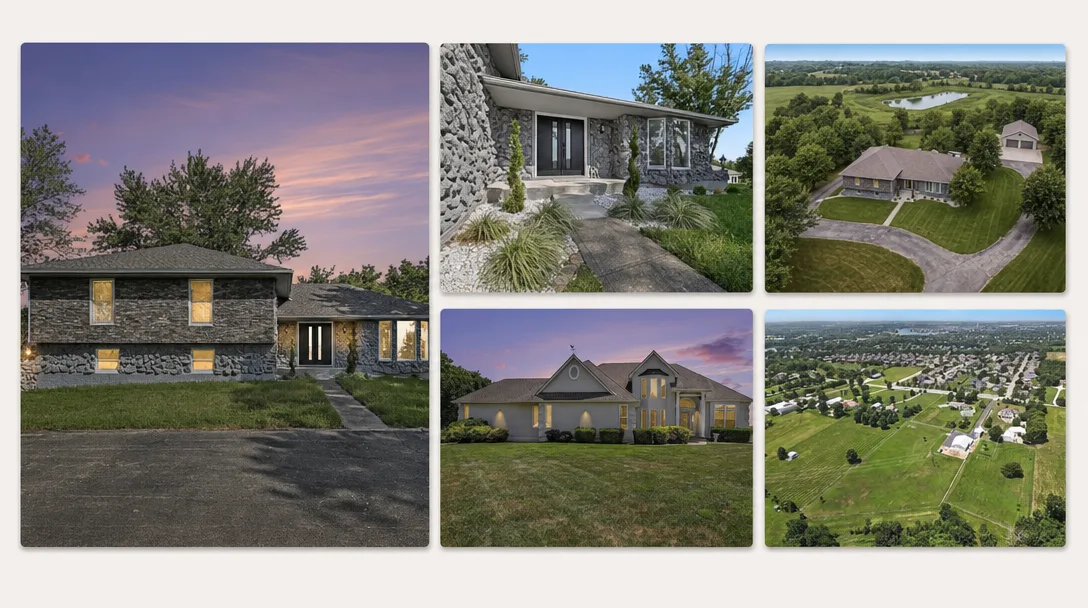
More Kansas City buyers are trading the cul-de-sac for a few quiet acres. The reasons are clear: space, privacy, room for a shop or a barn, and land that holds its value. But buying acreage is not the same as buying a subdivision home. Wells, septic, easements, and county rules change the entire picture.
I have spent more than 25 years in architecture, homebuilding, renovation, and investing in this market. I have built more than 100 homes and renovated more than 150 properties. Jana brings the design and lifestyle lens that helps families picture how a property actually works. Together we help buyers see what the listing photos never show.
This guide covers the real costs and the checklist you need before you make an offer on acreage in the Kansas City metro.
Why Buy Acreage in the Kansas City Metro
Acreage gives you options a standard lot cannot match.
- Privacy from neighbors, with real setbacks and tree lines.
- Room for a workshop, barn, shop, garden, or animals.
- A lifestyle choice: hobby farm, horse property, or just room to roam.
- Land that typically holds value better in slower markets.
- Quiet country living still close to KC jobs and services.
The key is matching the land to how you actually want to live. That starts with location.
Where to Look for Acreage Around Kansas City
The metro spreads acreage across several counties, and each one feels different.
Clay County and the Northland
Liberty, Kearney, Gladstone, and the surrounding area offer strong schools, easy commutes, and rolling ground. This is one of the most active acreage markets in the metro.
Platte County
Parkville, Platte City, and the areas toward the airport offer larger parcels and more horse-friendly ground. Some of the prettiest country property sits here.
Cass County and the South
Greenwood, Raymore, and the southern edge of the metro give buyers more land per dollar, with a slower, more rural pace.
Johnson County, Kansas
Acreage exists here, but it is rarer and priced higher. It makes sense when Kansas schools or taxes matter most to you.
Each county has different rules, and those rules shape what you can do with your land.
The Real Cost of Acreage Goes Beyond the Price
Buyers often focus on the list price and miss the systems that come with rural living. Budget for these before you fall in love with a property.
Wells
Most acreage homes run on a private well. Missouri well systems typically cost $3,000 to $10,000 depending on depth and conditions. The cost to replace a well pump commonly runs $900 to $3,000. A pressure tank can add a few hundred more. A full well inspection with water testing usually runs about $250 to $450. Always get the water tested for quality and flow. A weak well changes the value of the home.
Septic Systems
No sewer lines out here means your home needs a septic system. A conventional system in Missouri typically runs about $6,000 to $8,000, and complex sites can push that much higher. Soil type drives everything. A percolation test tells you whether the ground can handle a system at all. Add a septic inspection to your due diligence, usually about $400 to $650 when bundled with the well. If the system is aging or undersized, budget for replacement.
Utilities, Propane, and Internet
Electric service is usually in place, but the distance from the road affects cost. Many acreage homes use propane for heat and cooking, so ask about tank ownership and fill history. Broadband is not guaranteed in the country. Check cell signal and internet options before you commit, especially if you work from home.
Access, Roads, and Easements
Legal access is everything. Confirm the property has recorded access to a public road or a proper easement. Ask who maintains the driveway or gravel road, especially in winter. A beautiful parcel with no legal access can be nearly impossible to finance or resell.
How to Read the Land Like a Builder
Most buyers see grass, trees, and a view. I see drainage, soil, and where a septic field could go. That is the advantage of working with a builder.
- Walk the property after rain to spot low spots and standing water.
- Check the slope and where water drains from the house site.
- Look for trees worth keeping and spots that stay wet.
- Ask about floodplain boundaries before you build or buy.
- Confirm there is usable ground, not just steep or wooded edges.
A view is nice. Dry, buildable, usable land is what protects your investment.
Zoning and County Rules
Every county in the metro has its own zoning. Rules decide whether you can keep livestock, build an outbuilding, run a business, or subdivide later. Call the county planning office and ask directly. If you plan horses or animals, confirm the minimum acreage and setback rules. If you plan a shop or workshop, check the building and use regulations first. These answers are free, and they save you from a costly mistake.
Financing an Acreage Purchase
Financing rural property can differ from a standard home loan. Lenders may require more down payment, and some programs cap acreage size. Ask about land-to-home ratios and whether the property qualifies for conventional, FHA, or rural loan programs. A clean title, legal access, and a working well and septic make financing smoother. Your lender and agent should talk early, not at closing.
Think About the Next Buyer
Acreage is a long-term purchase for most families, but always consider resale. A well with good flow, a newer septic system, legal access, and usable land will hold value. Odd parcels with poor access and problem soils are harder to sell. Buy with your head as well as your heart, and you protect yourself down the road.
Work With an Agent Who Builds
Most agents can show you acreage. Few can tell you what a septic field will cost or whether a lot can really hold the shop you want. My background in architecture, homebuilding, renovation, and investment means I evaluate land the way a contractor would, not just the way a marketer would.
Jana and I have helped more than 1,000 families through real estate transactions across the metro. We know the Northland, Clay and Platte Counties, Cass County, and the communities in between. We will help you compare properties, understand the true costs, and negotiate with confidence.
Ready to Find Your Acreage?
If you are ready to trade the lot for some land, let us help you find the right fit.
Call or text us at 816-533-3100, or schedule a free consultation and we will build your search around the way you want to live.
Explore more Kansas City homes with acreage on our acreage page.
Let's Find Your Acreage
We will help you compare properties, understand the true costs, and negotiate with confidence.